Why DIY Website Builders Fall Short for Growing Small Businesses
2025-05-01
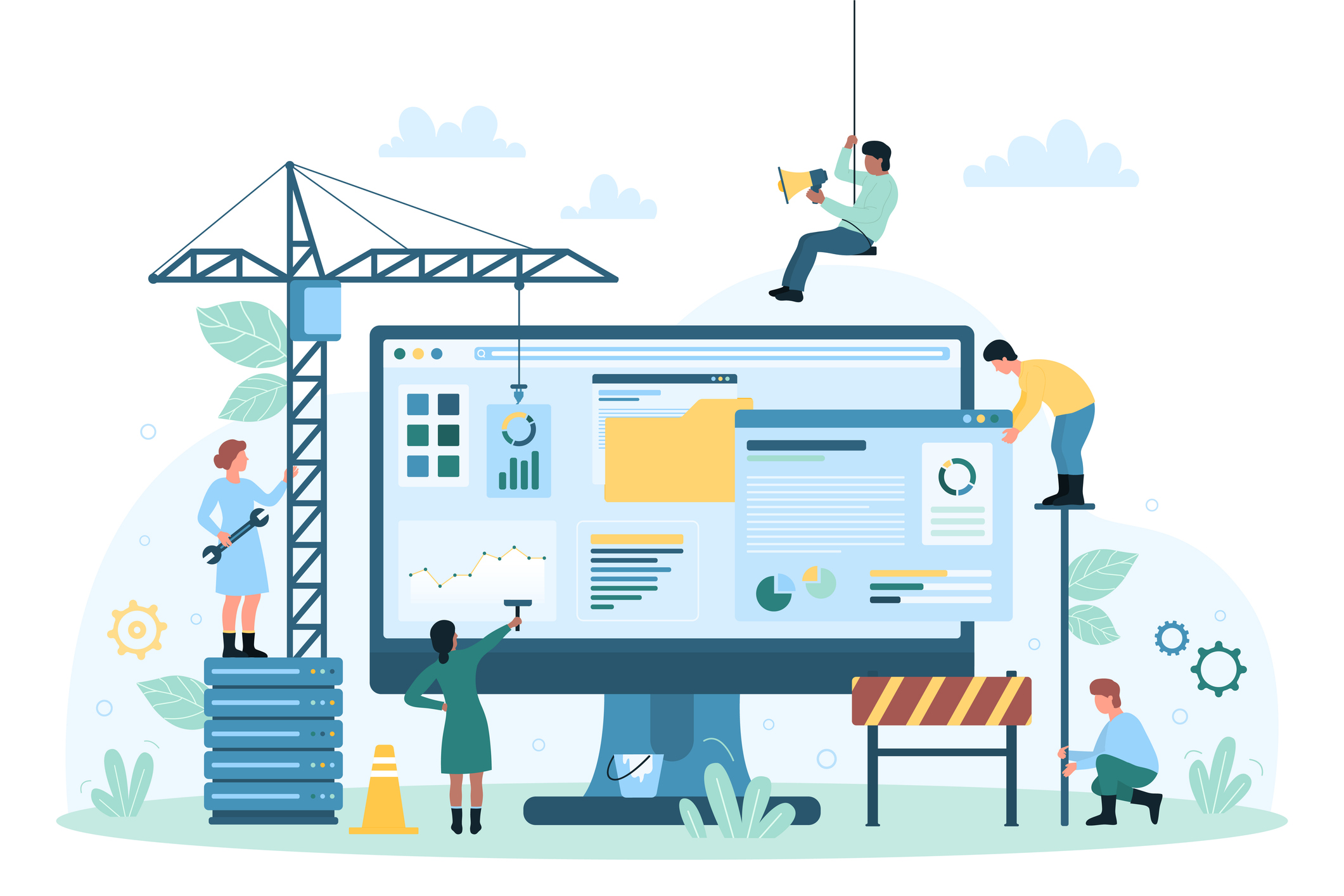
When you’re just starting out, a DIY website builder can feel like the perfect solution—affordable, quick, and easy to use. But as your business grows, that same website might start holding you back. The truth is, DIY platforms come with limitations that can impact everything from your brand’s credibility to your ability to scale. If you're serious about growth, it's important to understand why a DIY website might not be enough for your small business anymore.
Limited Customization and Scalability
Most DIY website builders rely on templates. While these templates are great for getting something live fast, they’re not built for businesses that need flexibility. As your offerings expand or your audience grows, you may want to add features like scheduling tools, payment integrations, or even just advanced layout changes. Unfortunately, DIY platforms don’t always offer the control or functionality you need. You may quickly find yourself running into scalability challenges that limit your growth options.
SEO Limitations
SEO is how new customers find you online. Without it, your beautiful website may never be seen. Many DIY website builders offer only basic SEO tools—and in some cases, not even those. From poor site structure to limited control over meta descriptions and headers, these platforms can make it hard to follow SEO best practices. If you’re relying on organic traffic, these SEO limitations can put your site at a serious disadvantage.
User Experience Challenges
Great websites don’t just look good—they function smoothly. DIY builders often offer drag-and-drop features, but they don’t always translate well across different devices or browsers. You could end up with a website that works well on a desktop but is difficult to use on mobile. Slow load times, awkward navigation, and broken features are all common problems that hurt the user experience. And when visitors get frustrated, they leave. That means fewer leads, fewer sales, and less growth.
Branding Constraints
Your website is a major part of your brand identity. With a DIY builder, you're often stuck using standardized templates that look just like your competitor’s. These platforms limit what you can do with fonts, colors, and layout—and they may even restrict your ability to remove the builder’s branding from your site. If you want to stand out, these branding constraints can make your business look less professional or trustworthy.
Support and Maintenance Issues
DIY websites are supposed to be simple—but when something breaks, you’re often on your own. Most builders offer minimal customer support, and you may have to wade through forums or generic help articles to find answers. Worse, they may not provide tools to properly manage updates, backups, or security. These maintenance difficulties can leave your site vulnerable to downtime, bugs, or even data loss.
The Real Cost of DIY
While DIY builders seem cheap at first, the hidden costs add up. Whether it's lost traffic from poor SEO, dropped sales from bad mobile layouts, or time wasted fixing bugs, these platforms can actually slow your growth. For a business looking to expand, your website should be an asset—not a roadblock.
It’s Time to Partner with ShoreSite Web Designs
You’ve outgrown the template. Your website should reflect your goals, your values, and your customers’ needs. At ShoreSite Web Designs, we build custom websites that are scalable, optimized for search, and tailored to your brand. You’ll get more than just a pretty site—you’ll get a tool that actually helps you grow.
Ready to leave the DIY behind? Contact ShoreSite today and let’s talk about how to build a website that grows with your business.